
Seat belts, as the first line of defense for travel safety, are usually installed in most vehicles. But how much do you really know about them? You may be confused about choosing suitable seat belts for your vehicles. This guide explains what a seat belt is, covering its definition, key components, types, applications, and proper maintenance, helping you fully understand this critical “life belt”.
What Is a Seat Belt?
A seat belt is a passive vehicle safety restraint system designed to protect occupants during sudden stops, collisions, rapid deceleration, or rollovers.
During normal driving, the seat belt moves freely to ensure comfort and flexibility. While in an emergency, the retractor locks instantly, and the pretensioner tightens the belt to prevent occupants from being thrown forward, striking interior components, or being ejected from the vehicle. Additionally, the seat belt distributes impact forces across stronger parts of the body, significantly reducing the risk of serious injuries or death.
As a vital component of modern vehicle safety systems, seat belts work in coordination with airbags and vehicle structures to provide comprehensive occupant protection.
Main Components of a Seat Belt
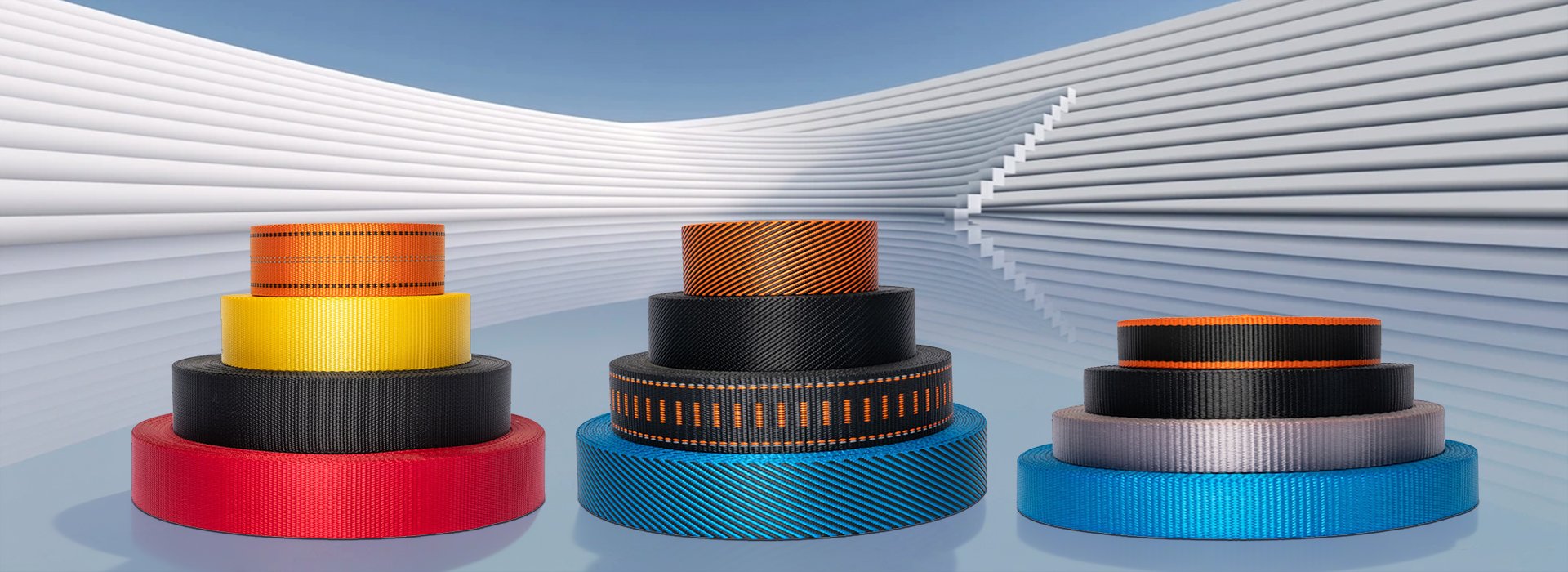
The seat belt webbing is typically woven from high-strength polyester fibers offering excellent tensile strength, controlled stretch, and long-lasting durability in extreme temperatures and conditions. This polyester webbing can withstand strong impact forces during a crash while remaining comfortable for daily use.
Seat Belt Retractor
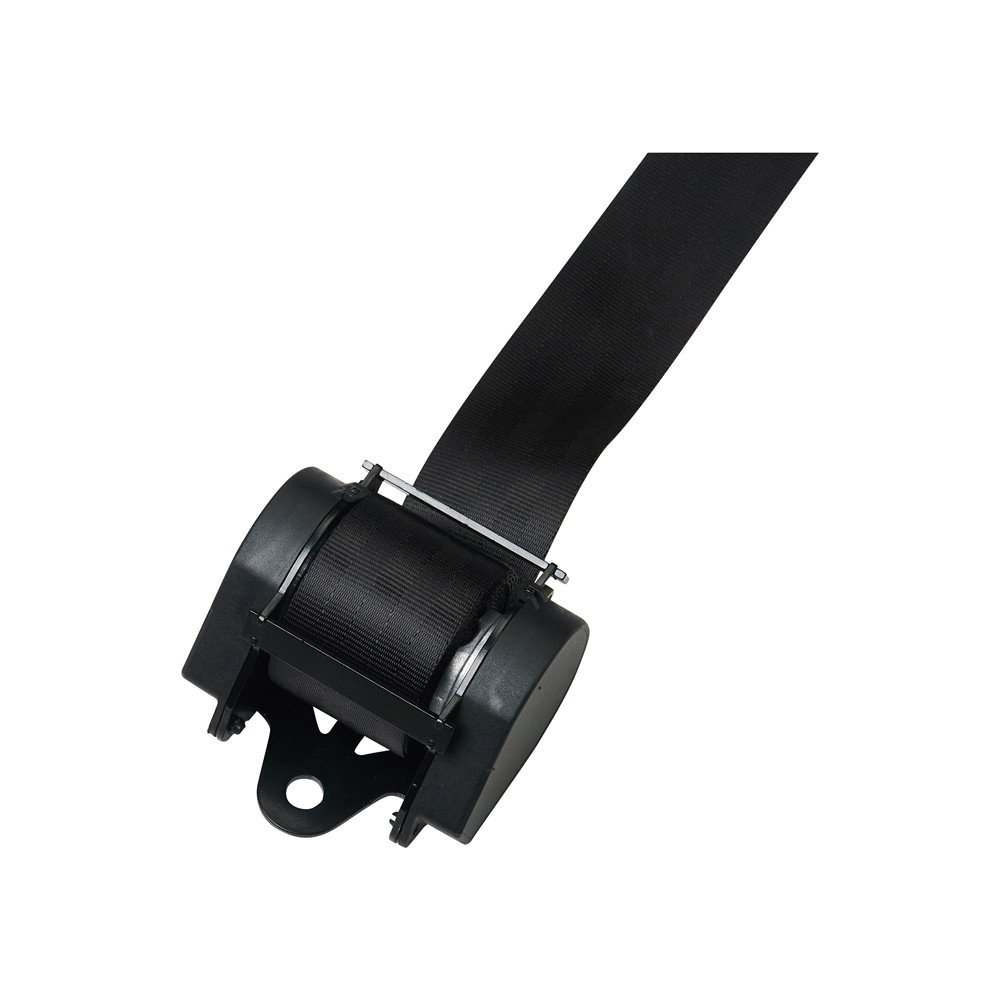
The seat belt retractor is the “power core” of the safety belt, responsible for daily storage and emergency locking. During normal driving, the retractor allows the webbing to extend and retract smoothly. When the vehicle brakes suddenly or collides, the retractor locks instantly to prevent excessive forward movement and injury.
Seat Belt Buckle and Latch
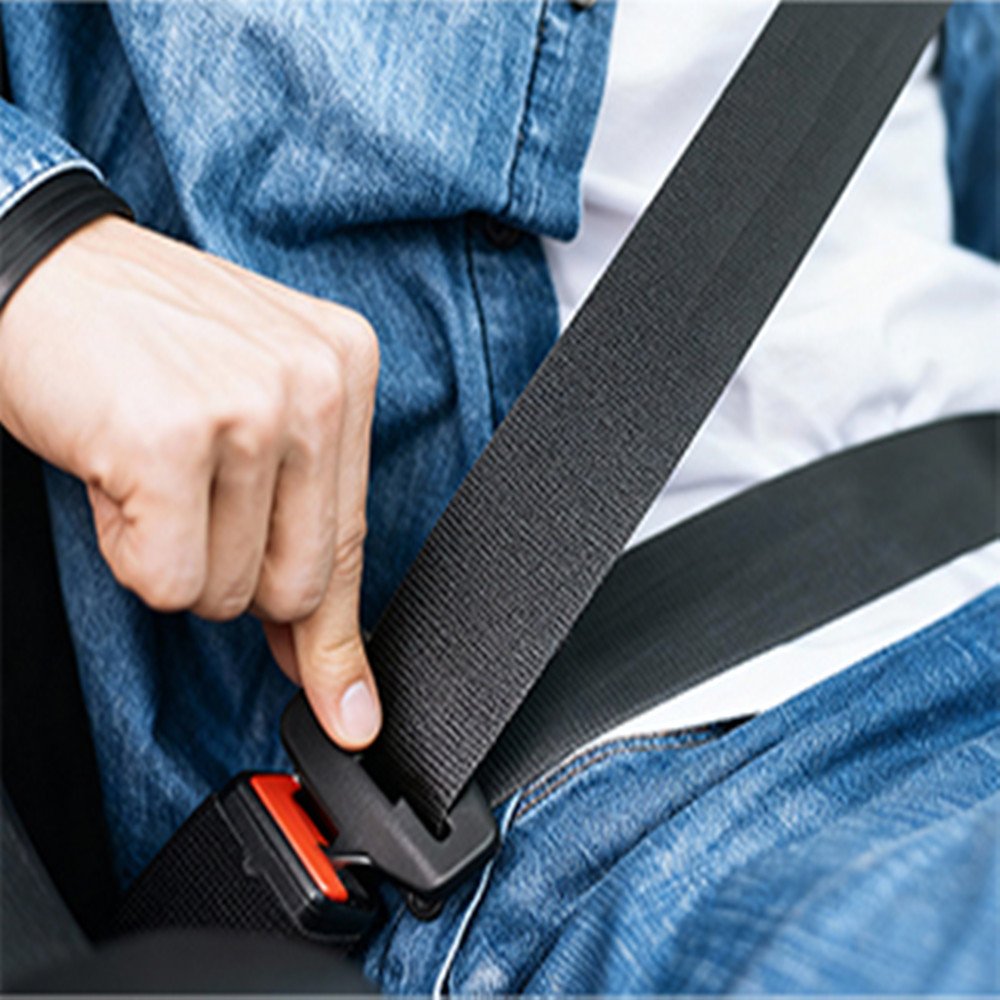
The seat belt buckle and latch connect the two ends of the seat belt to enable a secure fit. Their high-strength and corrosion-resistant materials make them withstand extreme crash loads while maintaining consistent locking performance. Their one-touch design allows for quick fastening and release. The seat belt buckle and latch used together ensure long-term occupant protection.
Anchor Points
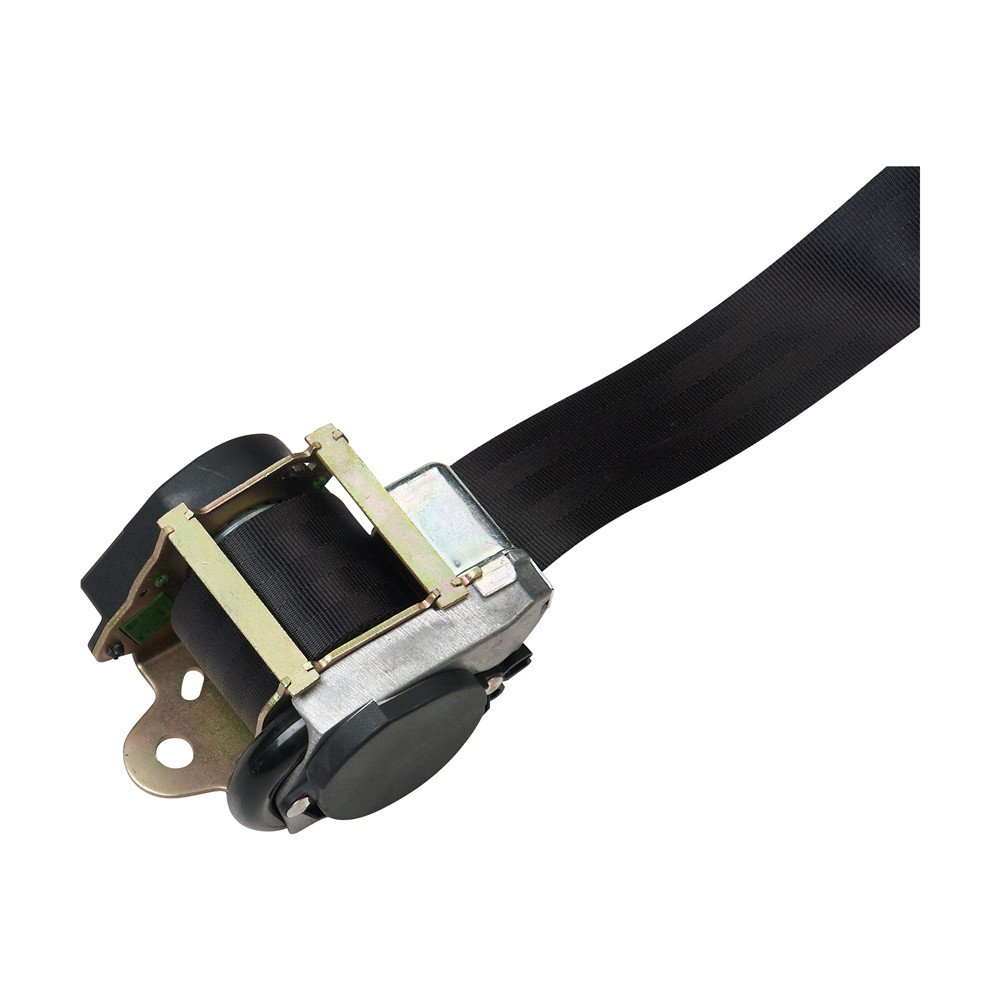
Anchor points are the key structure that connects the seat belt to the vehicle. Designed with extremely high strength, they can be firmly fixed under collision forces and meet strict safety regulations. The anchor points are important for effective occupant restraint.
The Pretensioners and Load Limiters
Many modern vehicles are equipped with pretensioners and load limiters, which consist of metal parts, springs, and precision mechanisms. During a collision, the pretensioner tightens the belt instantly. And then the load limiter reduces the force on the chest by spooling out the webbing in a controlled manner.
Types of Seat Belts
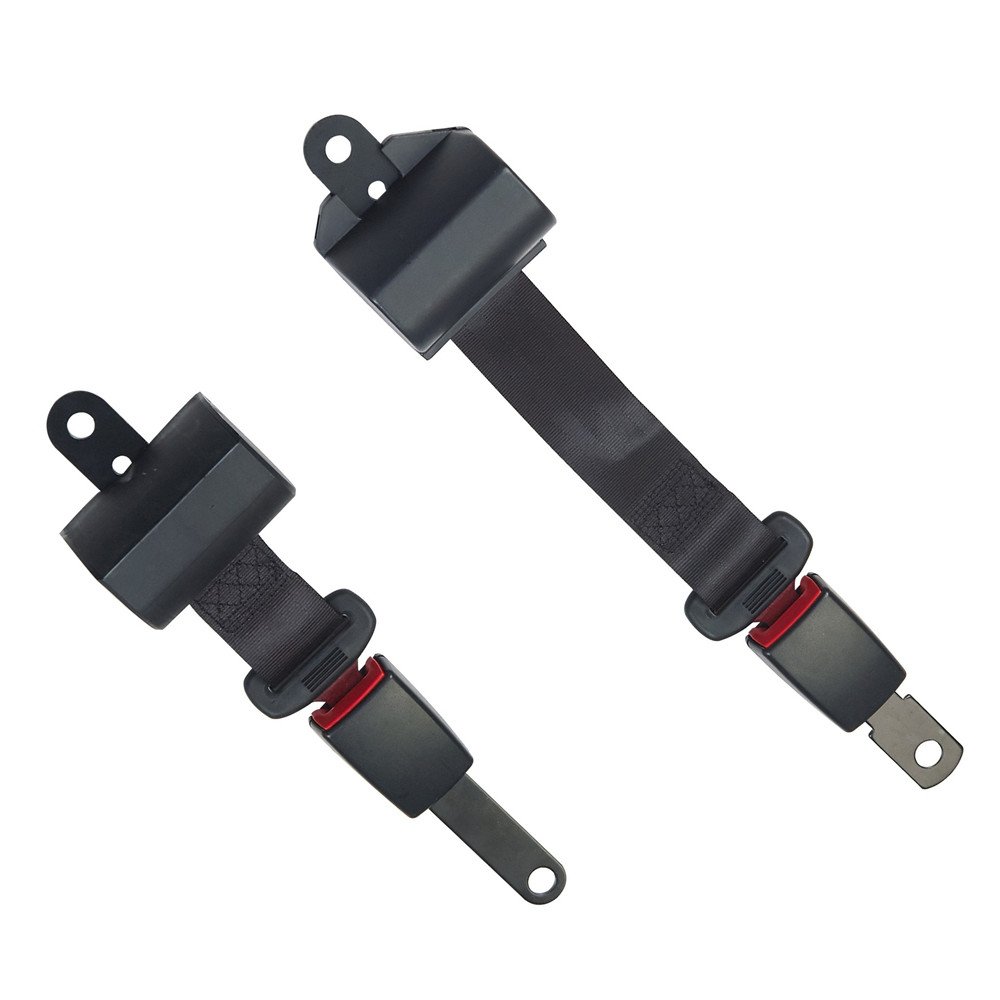
The 2-point seat belt uses two anchor points connected by polyester webbing. This lap belt secures your lower body to the seat, preventing complete ejection during a collision or sudden braking.
With a simple structure, the two-point safety belt is easy to put on. But it has relatively weak resistance on the upper body and a limited protective effect.
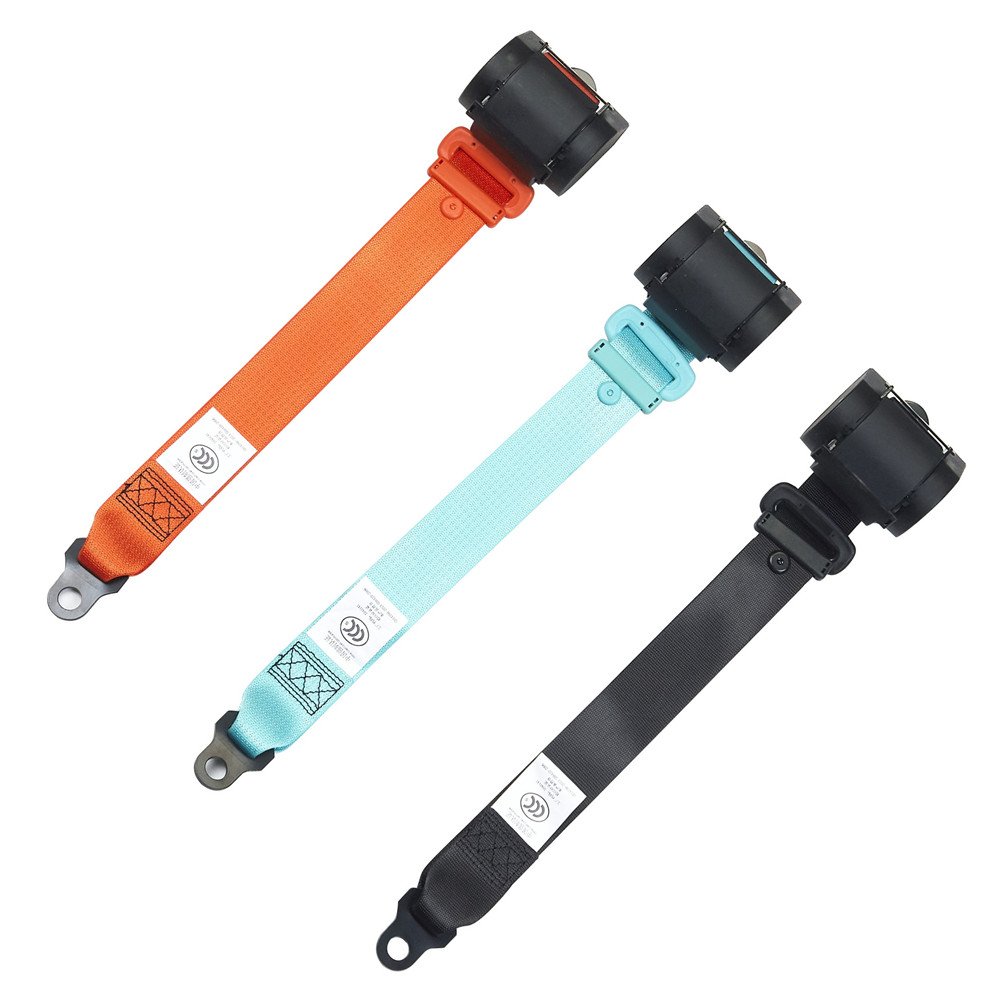
The 3-point seat belt is the most widely used restraint system in modern passenger vehicles. Combining its waist belt and the shoulder belt in a “Y-shaped” design, it simultaneously restrains both your upper and lower body. It can effectively disperse the impact force, providing a wider range of protection.
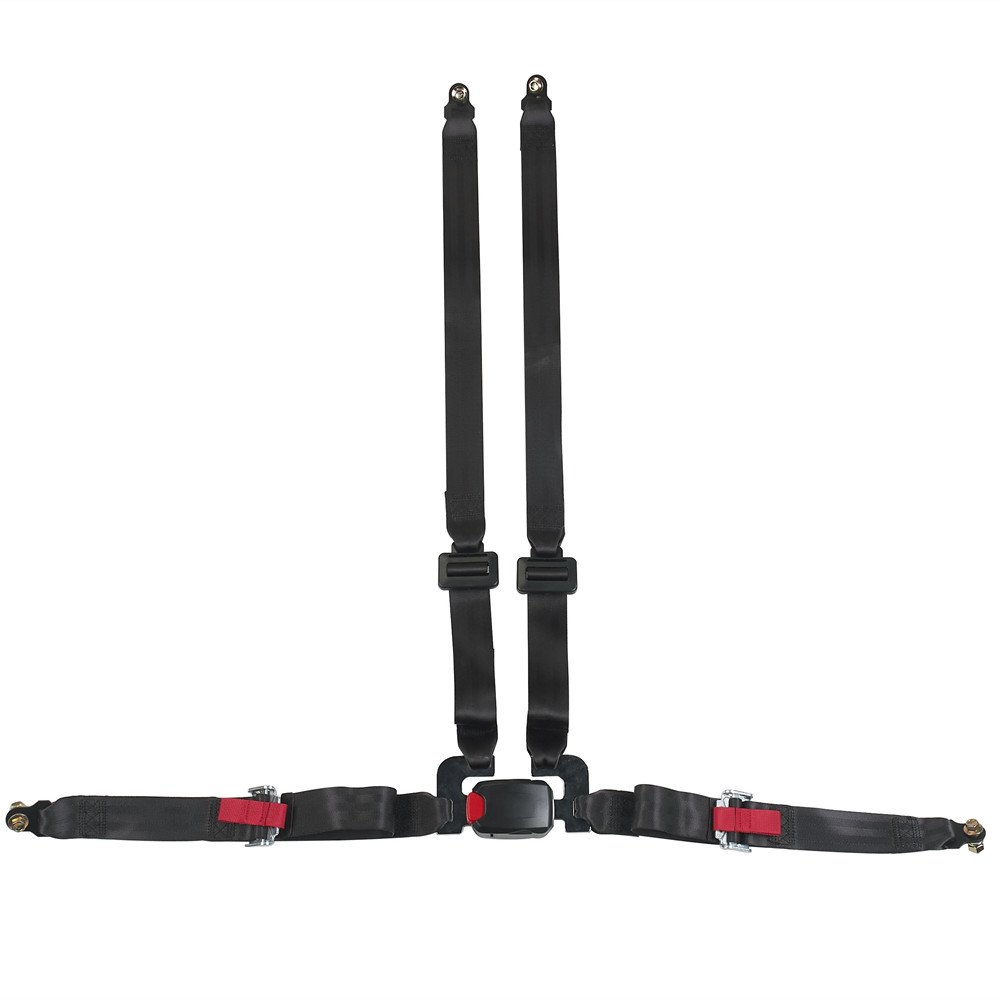
A 4-point seat belt uses two shoulder straps, two lap straps, and a central buckle or cam-lock system to secure the occupant. It provides stronger restraint and more evenly restricts body movement, reducing the risk of injury.
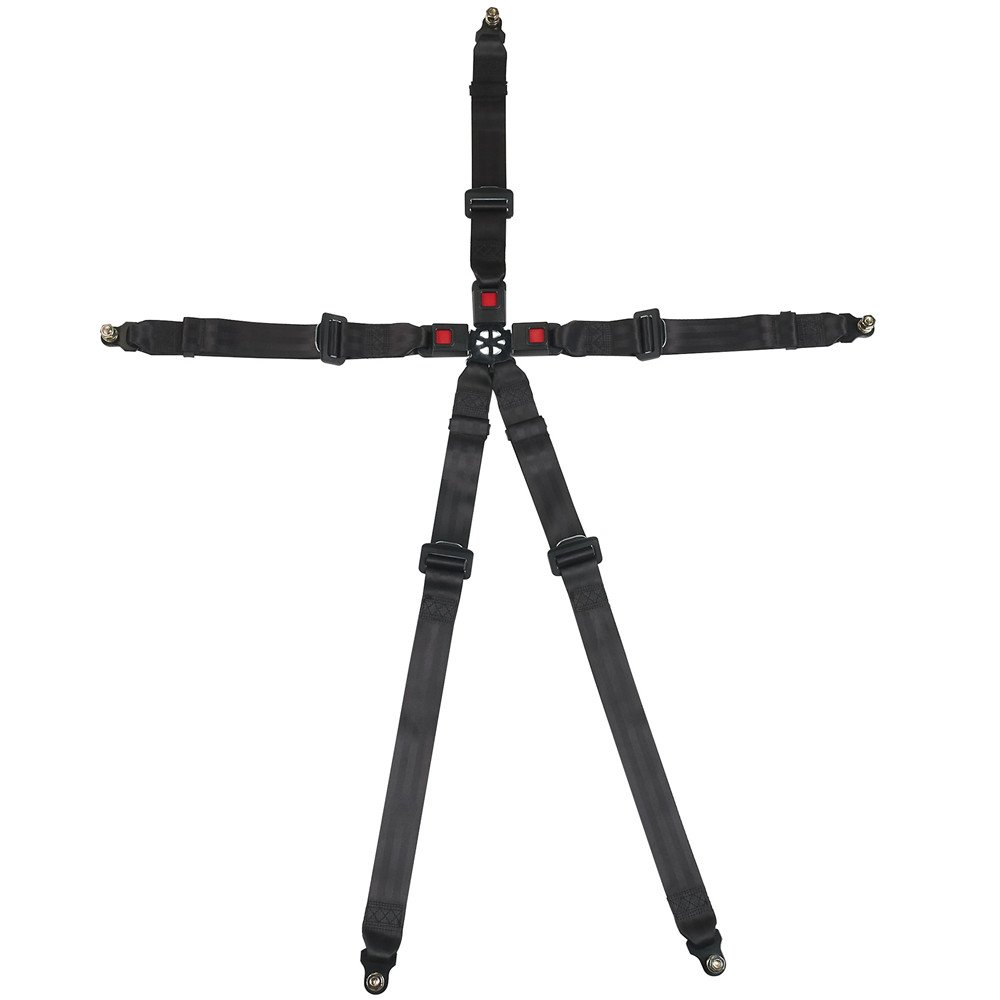
Building on the 4-point seat belt, the 5-point seat belt adds one additional strap between the legs. The core of this design is to distribute the impact force to multiple body areas, avoiding serious injuries.
Application of Seat Belts
Airplane: Safety Line at High Altitude
Aircraft seatbelts firmly secure passengers to prevent them from being jolted out of the seat due to air turbulence or collisions. The airplane seat belts are mostly two-point designs for quick fastening and release, ensuring that passengers can quickly evacuate in case of an emergency. 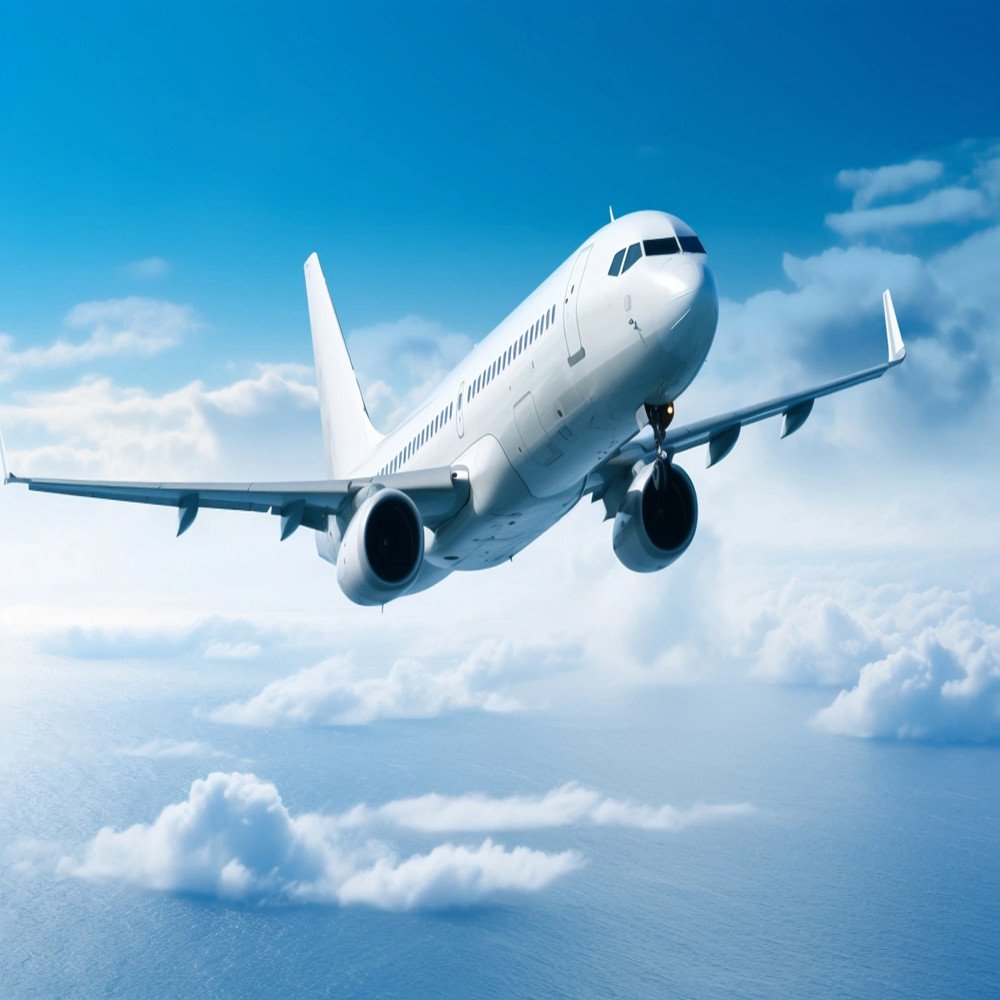
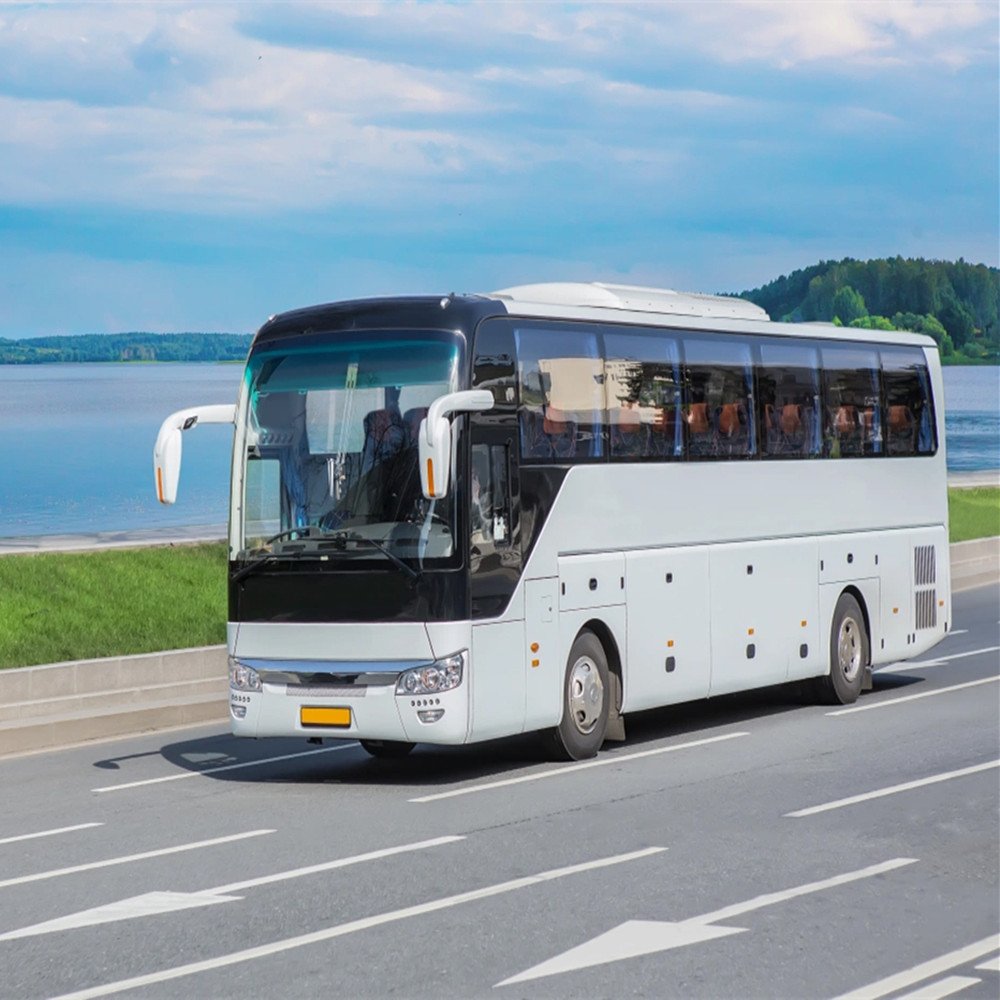
Bus: Safety Barrier for Long-Distance Travel
Bus seat belts are commonly used in long-distance coaches and tourist coaches. They are usually 2-point or 3-point safety belt systems. They effectively protect you from being thrown forward due to sudden braking and turning, and reduce the risk of secondary injuries.
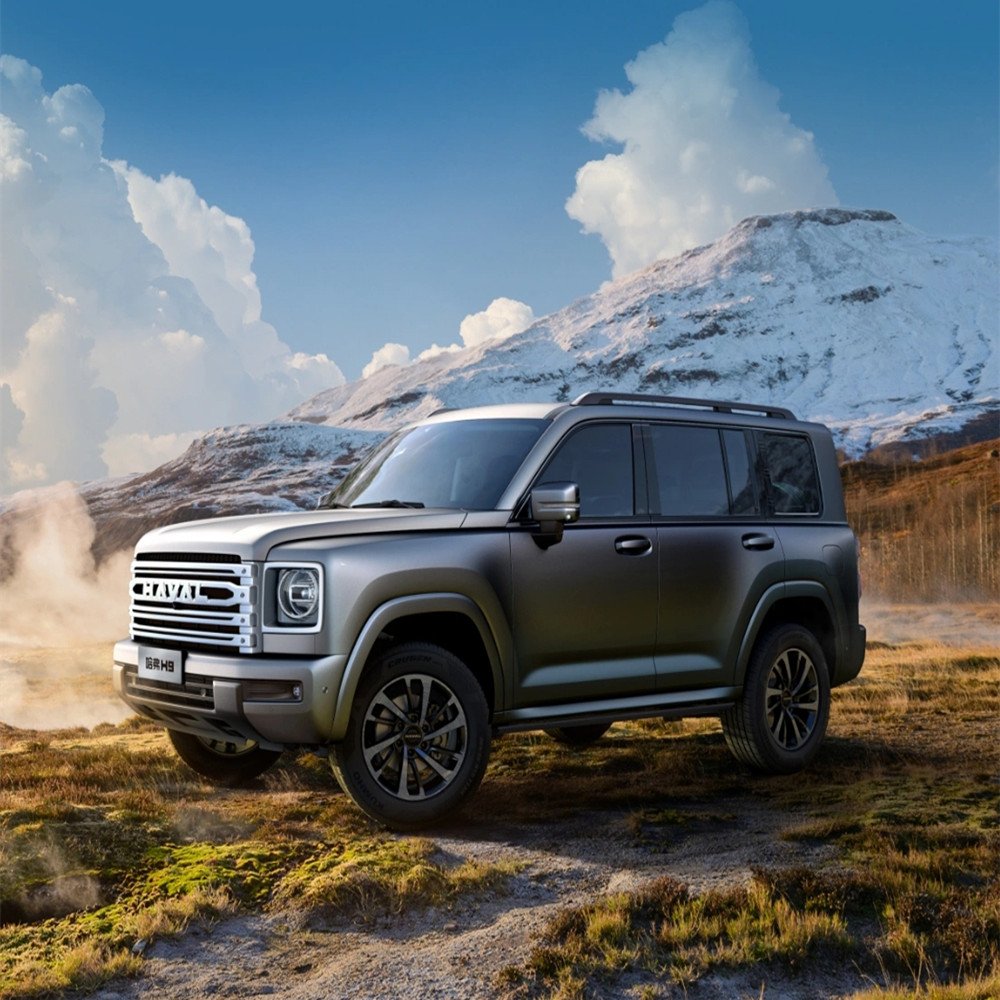
Car: Guardian for Daily Travel
Car seat belts are a primary occupant restraint system in most vehicles. Modern cars typically use a 3-point seat belt that works in conjunction with airbags. When a collision occurs, the pretensioner instantly tightens, while the load limiter slightly loosens the webbing to buffer the pressure on the chest and pelvis.
Forklift: Safety Assurance for Industrial Operations
Forklift seat belts are designed to prevent the driver from being thrown out of the cab during sharp turns, sudden braking, or when goods tip over. Most forklifts adopt the two-point retractable seat belt. Wearing a forklift safety belt not only protects the driver’s own safety but also helps avoid damage to factory equipment and goods.
Go Kart: Speed Insurance for Racing Passion
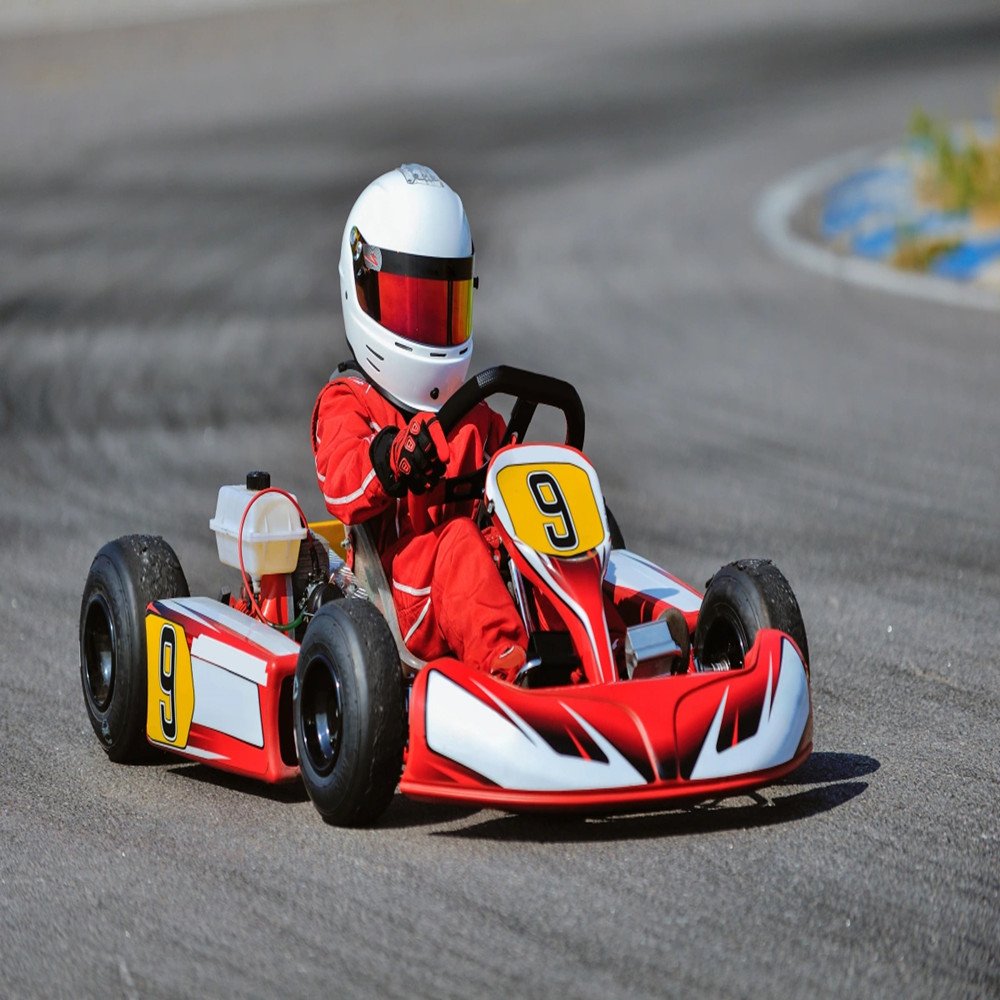
Go-karts often come with three-point, four-point, or five-point seatbelts that hold the shoulders, waist, and hips firmly in place. This high-strength go-kart seat belt not only meets the flexibility requirements of racing but also minimizes injuries in racing incidents.
Golf Cart: Safety Protection for Recreational Settings
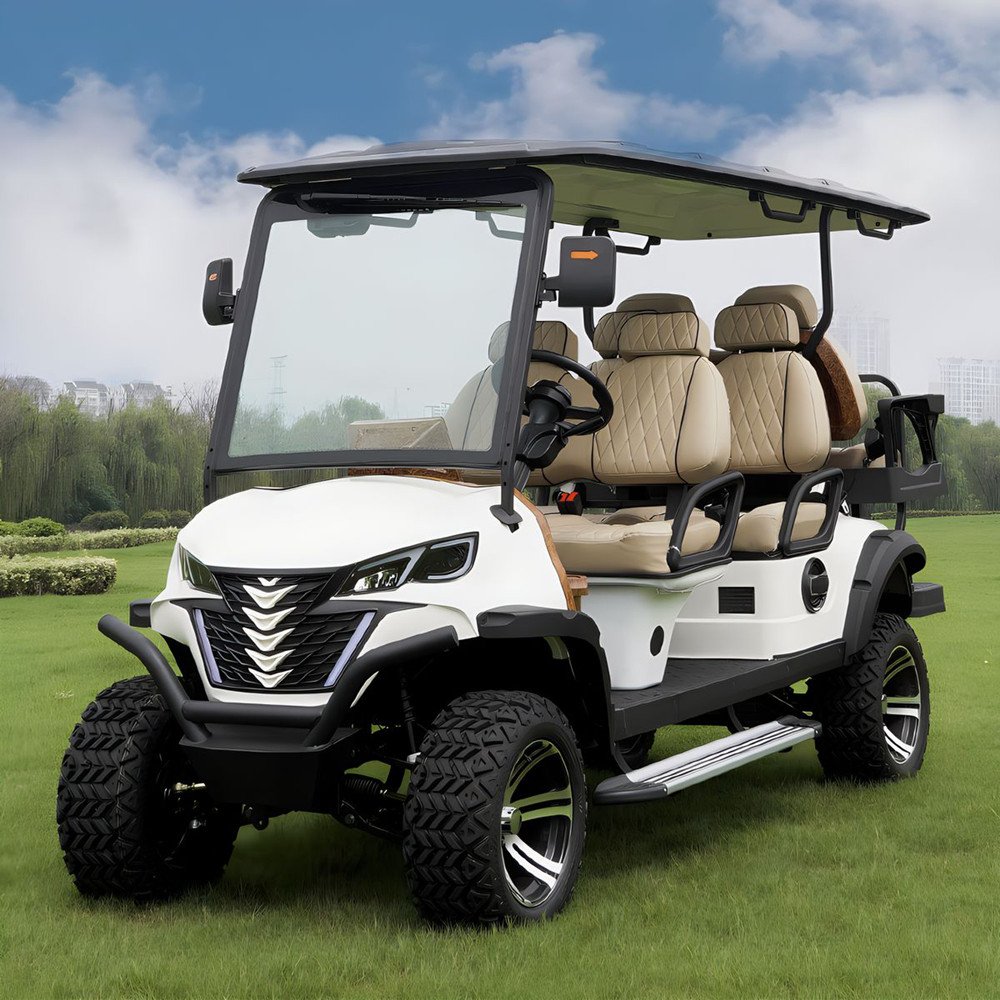
Golf cart safety belts are designed for low-speed rollovers and forward jolting during sudden braking. It is typically equipped with a 2-point lap belt or a 3-point seat belt to prevent passengers from hitting the vehicle’s components and getting injured.
Off-Road Vehicles: Safety Armor for Complex Terrain
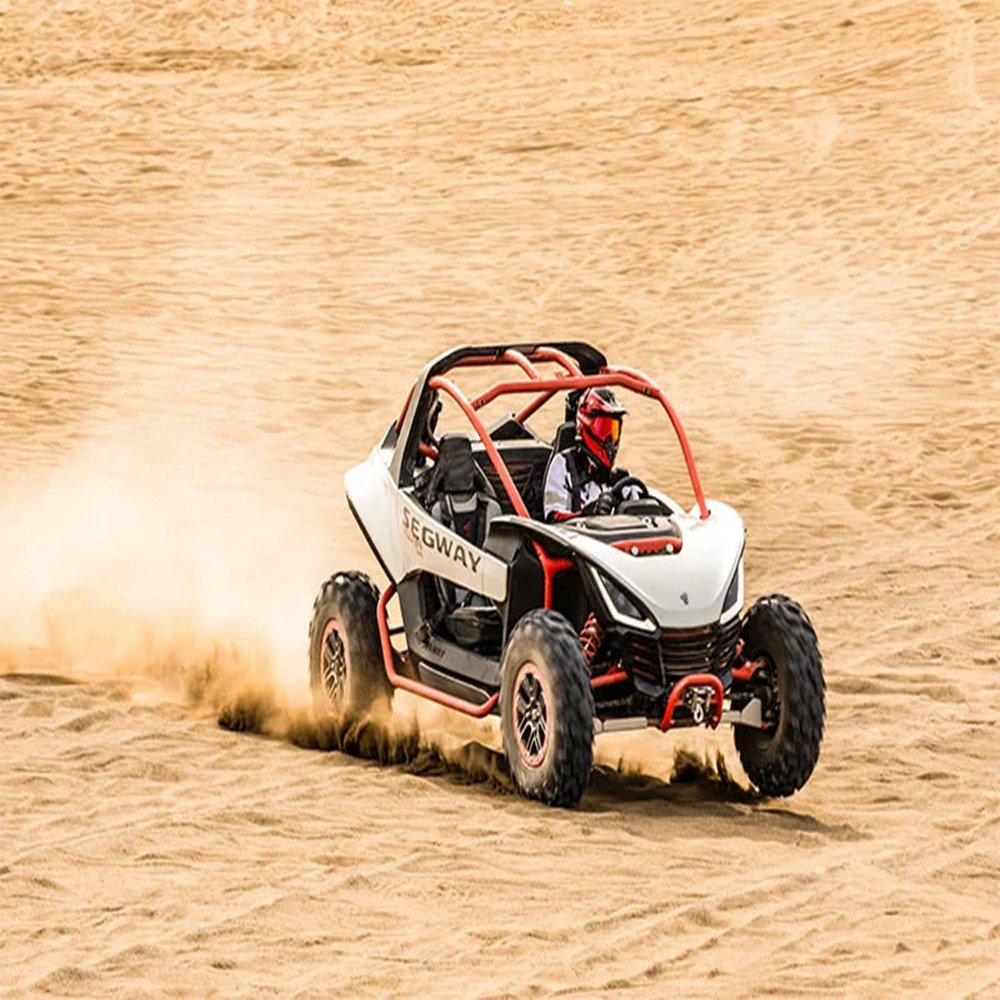
Off-road seat belts are necessary for UTVs and ATVs. Off-road vehicles often travel on mountainous, desert, and muddy unpaved roads, and the requirements for the stability of seat belts are extremely high.
Off-road safety belts can be 3-point, 4-point, or 5-point to keep the driver and passengers in their seats, preventing them from being thrown out in complex terrain.
Seat Belt Maintenance
When to Replace a Seat Belt
Seat belts should be replaced immediately in the following conditions:
- After any collision: Even if the seat belt looks undamaged, internal mechanisms may fail after an accident.
- Obvious damage occurs: If the webbing is fraying, cuts, fading, or stiff, or if the buckle does not latch or release properly, the seat belt should be replaced immediately.
- In extreme environments: The seat belt will age prematurely if the vehicle is used in high-temperature, humid, and highly corrosive environments.
- Reaching the service life: Replace seat belts every 10 years, regardless of condition.
Proper Inspection Tips
Inspect your seat belts once a month: First, check if the webbing is in good condition. Next, test the locking and retracting functions. Then, make sure the buckle clicks securely and releases smoothly, and verify that all mounting bolts and brackets are tight and free from corrosion. Regular inspections help identify issues early, ensuring this critical safety device remains effective.
Conclusion
Seatbelts are the most fundamental safety system in vehicles, designed to keep occupants securely restrained and reduce injury during sudden stops or accidents. No matter how fast or slow the vehicle is traveling or how long the distance is, please form the habit of fastening the seat belt as soon as you get in the car. Let this small device ensure the safety of every journey.
DEMS is a professional seat belt supplier and has manufactured seatbelts for over ten years. We have a team of experts and advanced equipment to customize your seat belts. If you are interested in any of our products, please contact us freely! We are always online.